




Cunningham Chrysler of Edinboro

Blog / Cunningham Chrysler of Edinboro Service

Where’s the Cold Air? An AC Troubleshooting Summer Guide for Chrysler, Dodge, Jeep, and RAM Owners 

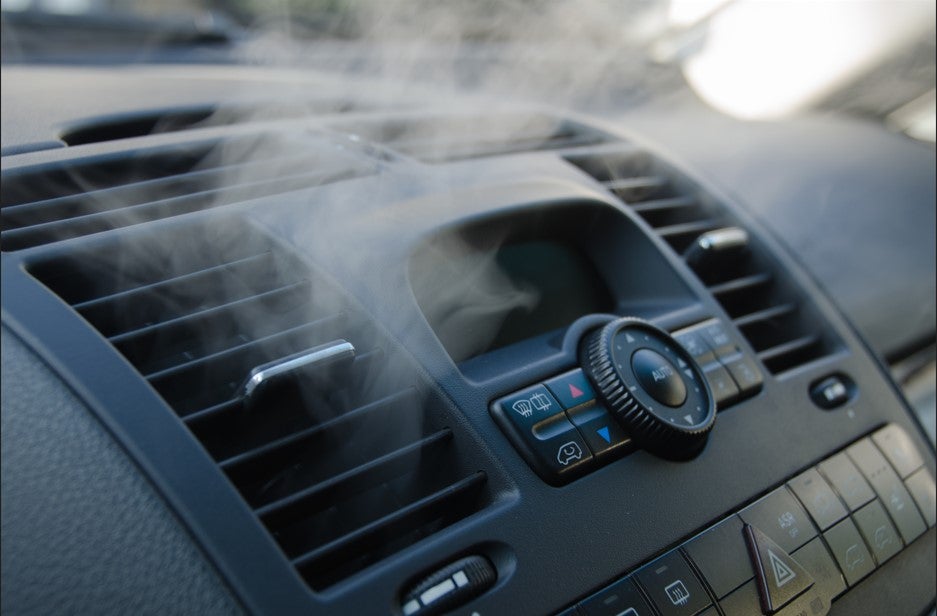
Car air conditioning vents blowing cool air from the dashboard climate control system.

August in Edinboro, PA, can bring some serious heat, and the last thing you want is to hop into your vehicle and realize your AC isn’t blowing cold air. Whether you drive a Chrysler, Dodge, Jeep, or RAM, a struggling air conditioning system is one of the most common warm-weather complaints—and it’s usually something that can be diagnosed and resolved quickly with the right attention.


Why Your Car AC Stops Blowing Cold in August


Summer heat puts extra strain on your vehicle's AC system. When your AC stops blowing cold, the most common culprit is low refrigerant. Over time, refrigerant can slowly leak from the system, reducing its ability to cool the cabin effectively. This is especially noticeable during August when outside temperatures peak and your system is working at maximum capacity.


Other causes include a failing compressor, a clogged cabin air filter, or a condenser that has been blocked by road debris. Each of these issues can reduce airflow or prevent the refrigerant from cycling properly, leaving you with warm or lukewarm air coming through the vents.


Common Signs Your Chrysler, Dodge, Jeep, or RAM’s AC Needs Service


Your vehicle will usually give you a few warning signs before the AC stops working completely. It starts with the air not being as strong or cold as strongly as it used to be, or if the air feels slightly warm even when set to the lowest temperature. Those are early indicators that service is needed.


Unusual noises when the AC kicks on, a musty smell from the vents, or visible moisture inside the cabin can also point to an issue. For RAM truck owners, the high-output demands of hauling or towing in August can accelerate wear on AC components, making routine checks even more important.


What Happens During a Professional AC Inspection


A qualified technician will check several components when diagnosing why your car AC isn’t blowing cold. They’ll inspect refrigerant levels, the compressor clutch, the evaporator, the condenser, and all related hoses and fittings. If a refrigerant recharge is needed, the system will be evacuated, checked for leaks, and refilled to the manufacturer's specification.


Jeep RAM AC service in Edinboro, PA, also includes a review of electrical connections and pressure readings to make sure everything is operating within normal range. Skipping this step and simply adding refrigerant without checking for a leak can lead to the same problem returning within weeks.


How to Keep Your AC Running Well All Summer


Preventive care goes a long way when it comes to your vehicle's air conditioning system. Replacing your cabin air filter at the recommended interval helps maintain proper airflow and keeps contaminants from building up inside the system. Running your AC on a regular basis, even on cooler days, also helps keep the compressor seals lubricated and the system functioning properly.


Parking in the shade when possible and using a sunshade can reduce how hard your system has to work when you first start the vehicle. If your car AC isn’t doing its job despite these efforts, it is time to schedule a professional inspection before the problem gets worse.


Get Your AC Checked Before the Heat Gets Worse


August is not the month to put off AC repairs, and September usually brings some unexpected heat too. Driving without reliable cooling is uncomfortable, anger-inducing, and in extreme heat, can become a safety concern. If you’re dealing with your vehicle’s AC not blowing cold, don’t wait for the situation to worsen.


AC service is available for Chrysler, Dodge, Jeep, and RAM vehicles at Cunningham Chrysler, your trusted local service center. Bring your vehicle in for a thorough inspection and get back to enjoying a cool, comfortable drive no matter how high the temperature climbs.


Posted in:

Related Posts

A photo of a red car driving on a snow covered road through a forest.

Three Winter Road Trip Tips: Getting Your Vehicle Ready for Winter Driving

Planning a winter road trip? A reliable and well-prepared vehicle is key for successful and safe winter road trips. With these winter road trip tips, you can head out on the road feeling confident that you'll get to your destination and home again safely. more 1. Invest in New Wipers Fully functional windshield wipers are important year-round, but they're even more important during winter weather. Snow, rain, sleet, and ice can easily accumulate on your windshield and reduce visibility. It's important to invest in high-quality, genuine OEM wipers and avoid aftermarket alternatives to get the most out of your wipers and prevent reduced visibility due to a poor-quality product. 2. Never Let Your Gas Tank Run on Empty It's also important to keep your tank at least half full on road trips, even if stopping that frequently feels inconvenient. When your tank gets too low in cold weather, there's an increased risk of vehicle damage. Cold weather increases condensation, and when condensation drips into your fuel tank, it can corrode and damage the metal. Keeping your gas tank at least halfway full can prevent issues and promote vehicle efficiency and longevity. 3. Schedule a Pre-Road Trip Service Appointment Winterizing your vehicle is necessary before the weather gets too cold, but it's even more important for a winter road trip. When you bring your vehicle to the service center, the technicians will winterize it and ensure it's ready for the season and your next road trip. They'll also check all vehicle components, including treadwear, wheel alignment, battery life, and brakes. The factory-trained technicians will also evaluate all necessary vehicle components and complete the required service and repairs. They'll top off your fluids and help identify and address any potential issues so you can avoid costly repairs in the long term. 4. Pack Emergency Gear Before you head out on the road, pack some emergency gear so you're prepared for whatever you may encounter. Some essentials include blankets in case you get stuck in the cold on the side of the road for any length of time, a bag of cat litter or sand in case you encounter icy terrain and need more traction, and an emergency car kit. If you're planning a winter road trip, we can schedule a winterization service appointment, so your vehicle is ready for whatever the weather and your winter road trip may bring. Contact us today at Cunningham Chrysler of Edinboro in Edinboro, PA, to schedule your service appointment. Image via

A graphic containing a photo of a car ac vent and the text: 5 Summer Maintenance Tips from your Local Jeep Dealer

5 Summer Maintenance Tips from your Local Jeep Dealer

As a respected local Jeep dealer, here's our guide to summer maintenance for easy-breezy miles and summertime smiles. more 1. Get Your Coolant Topped Up (and Possibly Flushed) Coolant is the fluid that prevents your engine from overheating. Combine the heat of being under the hood on a hot sunny day and the heat of the thousands of explosions per minute inside an internal combustion engine, and you can see how without coolant, an engine might overheat very quickly. Check with your Jeep maintenance team to see if your coolant needs topping up or a flush. 2. Check Your Battery Winter is often thought of as the time of year when batteries die, but did you know that AAA reports over two million battery service calls per year in the summer? Hot weather can make the fluids in your battery more prone to evaporation, leading to dead batteries and ruined road trips. 3. Check Your Tire Pressure Did you know that tire pressure is seasonal? Whether you're riding summer tires or 35-inch off-roading monsters, the air in your Jeep's tires expands and contracts with the season (and on every drive). Check your tire pressure regularly when the thermometer swings, and of course, make sure you're riding on summer tires. 4. Change Your Oil Motor oil helps cool and lubricate your engine, also helping to minimize overheating. If you're creeping up on the month or the mileage limit from your last oil change, be sure to get your oil changed to keep your engine working smoothly. Expecting extreme heat this summer? Consider choosing synthetic motor oil, which is often better at handling extreme temperatures than its conventional counterpart. 5. Air Conditioner Service Adults, kids, and pets are all prone to overheating in cars on hot days, and that's especially true if the air conditioning isn't working the way it should. If your A/C isn't blowing as ice-cold as you'd like, summer is the perfect time to bring your Jeep in for service so our team can ensure you stay cool all summer long.   Whether it's summer tires, an oil change, a fresh battery, or making sure your A/C is in tip-top shape, there's nobody who knows your Jeep like the people who work on them day after day. Schedule your summertime maintenance appointment at Cunningham's of Edinboro in Edinboro, PA, and let our team help make your summer a legendary one. Image via

A graphic containing a photo of a radiator and the text: 4 Signs Your Chrysler Vehicle Needs a Radiator Repair - Cunningham Chrysler of Edinboro Blog

4 Signs Your Chrysler Vehicle Needs a Radiator Repair

It's your radiator's job to make sure your engine doesn't overheat, so it can be disastrous when there's something wrong with your cooling system. It's pretty easy to spot the signs that you need a radiator repair, though, so you'll be able to head to your Chrysler dealer before the problem gets too bad. more 1. Coolant Puddles Coolant pooling under or near your vehicle is easy to spot because it's a distinctive liquid. It's usually a bright shade like orange, yellow, or red. It also smells really sweet. If you're not 100% sure the bright, sweet-smelling liquid under your vehicle is coolant, then take a peek at the liquid still in your radiator to see if the color and smell match the puddle. Be careful not to directly inhale any of the liquid. 2. Rust or Corrosion On Your Radiator If there are rusty spots on or near your radiator, then you might have a coolant leak. When you have a coolant leak, the liquid can get onto metal components in your radiator, quickly evaporate, and leave rust or discoloration behind. The metal components of your radiator can also rust because of moisture in the system, exposure to debris from the road, or contaminants in the coolant itself. This can lead to coolant leaking out of the cooling system, so it's a good idea to get components replaced as soon as you notice they're starting to corrode. 3. Low or Dropping Coolant Levels If there's a lot less coolant in the system than there should be, then you may have a leak, even if you haven't spotted rusty components or a puddle of coolant. This is especially true if your coolant level seems to be dropping faster than usual. You should check the level every few weeks just to stay on top of things. That'll also make sure you notice when your coolant level seems to have dropped a lot more than it usually does between checks. 4. Overheating Engine A faulty radiator can make your temperature gauge climb into the red zone, indicating your engine is overheating. Smoke or steam might start pouring out from under the hood, too. If your engine is overheating, then pull over ASAP and don't attempt to drive again for at least half an hour. If the temperature gauge starts climbing soon after you start driving again, then call a tow truck. Parts of your engine can actually melt if it can't cool down.   Do you need someone to take a peek at your radiator and fix any problems you're having? Stop by Cunningham Chrysler of Edinboro, or call us at 814-250-4351 to talk to someone from our service department about bringing your Chrysler in for repairs. Image via