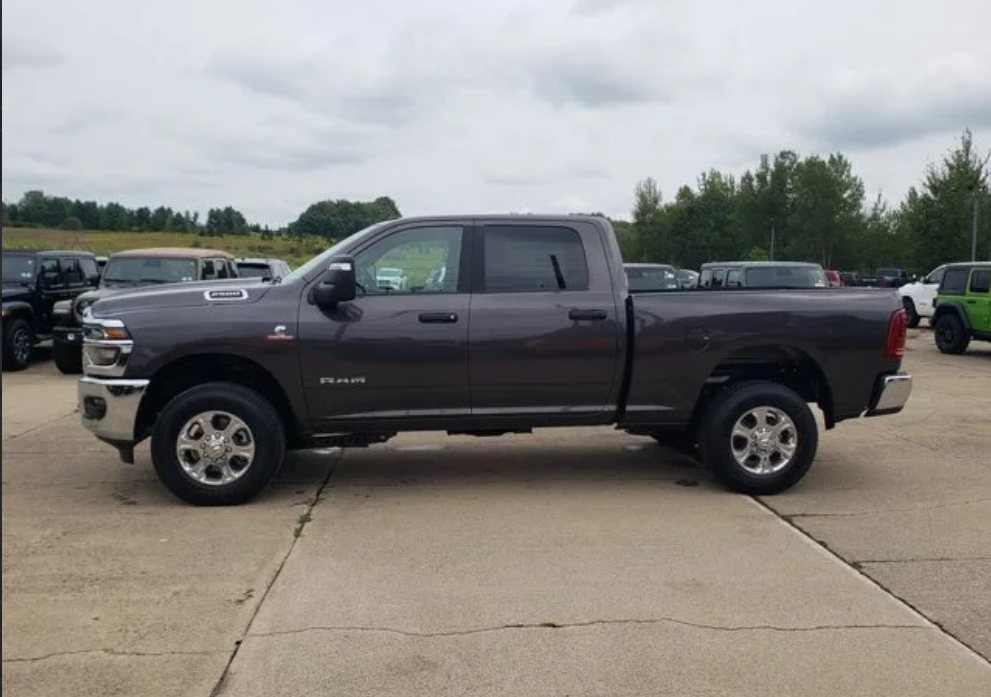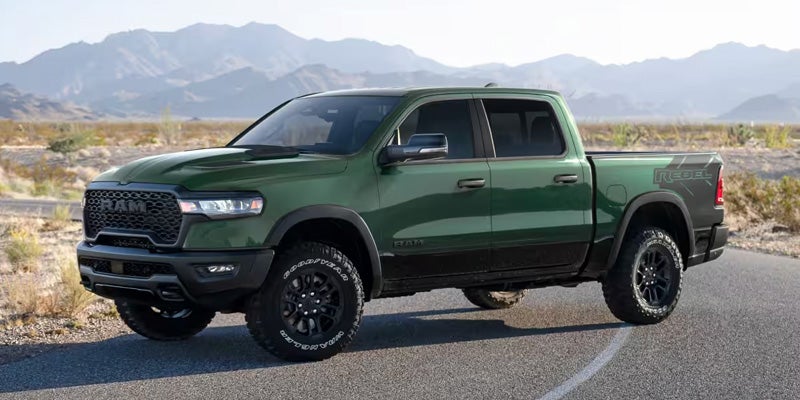





If you’ve been shopping for a new RAM 1500 or RAM 2500 and the phrase "lifetime powertrain warranty" stood out, you might be wondering how true that is and what it means for you as a buyer. In simple terms, a lifetime powertrain warranty is a protection plan that covers the most essential mechanical components of your vehicle—like the engine, transmission, and drivetrain—for as long as you own the truck. And yes, it’s real. That kind of goes well beyond what most standard manufacturer warranties offer. RAM is confident in its powertrains, and this shows it. The Lifetime Powertrain Warranty is designed to give you long-term confidence in your purchase, knowing that the parts responsible for moving your vehicle are protected against unexpected failures. What Does Lifetime Powertrain Warranty Coverage Actually Include? Lifetime Powertrain Warranty coverage includes the engine, transmission, transfer case, and drive axles. These are the components that work together to generate power and deliver it to your wheels. Without them functioning properly, your truck simply will not run—and RAM stands behind its engineering to the letter. You should know that a Lifetime Powertrain Warranty doesn’t cover routine maintenance items like oil changes, brake pads, or tires. It also generally doesn’t cover damage caused by accidents or neglect. The key is understanding what is protected so you can take proper care of the vehicle and keep your coverage intact. How Does This Apply to RAM Trucks at Cunningham Chrysler? RAM trucks are already built with durability in mind. The RAM 1500 even earned recognition from the JD Power 2026 U.S. Vehicle Dependability Study, receiving the lowest rate of reported problems among large light-duty trucks in its class—based on responses from 33,268 original owners after 3 years of ownership. And with titles like America’s Most Dependable Truck for both the RAM 1500 and HD from J.D. Power too, you know it’s not just RAM’s word for it. When you pair that kind of factory-level quality with Lifetime Powertrain Warranty coverage through Cunningham Chrysler of Edinboro, you are adding another layer of protection on top of an already dependable truck. That combination is hard to beat, especially if you plan to keep your RAM for many years down the road. Why This Matters for Drivers in Edinboro, PA For drivers in Edinboro, PA, who rely on their truck for work, hauling, or everyday use, knowing what a Lifetime Powertrain Warranty is can make a real difference in how you feel about a major purchase. Trucks put in serious work, and having that mechanical backbone protected long-term gives you peace of mind every time you get behind the wheel. Whether you’re eyeing a 2026 RAM 1500 Crew Cab or a heavy-duty RAM 2500, understanding your warranty coverage helps you make a smarter, more informed buying decision. See What RAM Powertrains Can Do For You The Lifetime Powertrain Warranty is one of the most valuable protections you can have as a truck owner, covering your engine, transmission, and drivetrain for as long as you own the vehicle. Paired with RAM's proven reliability, lifetime powertrain warranty coverage means fewer surprises and more confidence on every drive. Stop by Cunningham Chrysler of Edinboro, PA or visit us to learn more about how this coverage works and which RAM trucks qualify.
Jeep Dashboard Warning Lights: What Every Driver Should Know
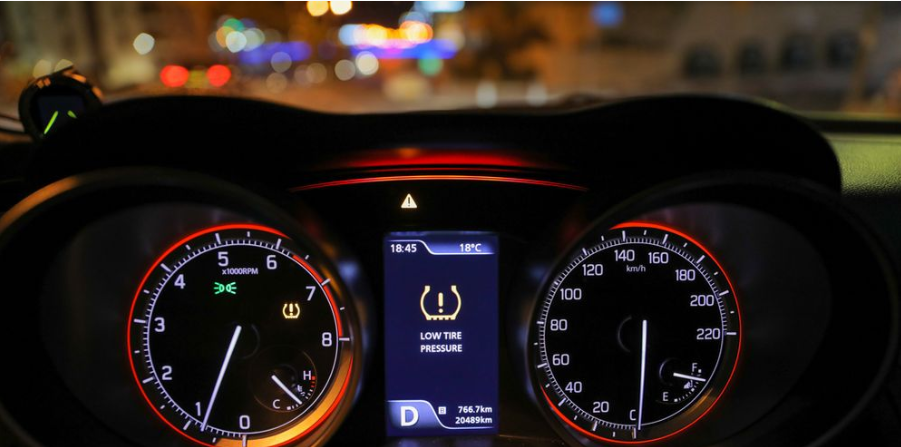
Your Jeep is built to handle tough terrain, busy highways, and everything in between—but even the most capable vehicle needs a way to communicate with you if something is wrong. That's exactly what Jeep dashboard warning lights are designed to do. Whether you're navigating trails or running errands around Edinboro, PA, knowing what these symbols mean can help you respond quickly and avoid more serious problems down the road. Understanding What Jeep Dashboard Warning Lights Mean Not every light that appears on your cluster signals an emergency, but none of them should be ignored. Jeep dashboard warning lights are color-coded to give you an immediate sense of urgency, with red lights generally indicating a serious issue that needs prompt attention. Yellow or amber lights point to something that requires monitoring or service soon, while green and blue lights are simply informational, letting you know a system is active. Knowing the color codes will help avoid that panic when the dash lights up. Common Red Warning Lights & What They Signal Red lights are the ones that demand your immediate attention. Here are a few you might see. The Oil Pressure Warning light looks like an old-fashioned oil can. If it comes on, pull over safely as soon as possible and check your oil level. Running your engine with low oil pressure can cause significant engine damage. The Battery Warning light indicates that your charging system isn't functioning properly. This could mean a failing alternator, a weak battery, or a loose connection. Don't ignore it—your vehicle may not restart if the battery drains completely, leaving you stranded. The Temperature Warning light, which resembles a thermometer in liquid, means your engine is running too hot. Turn off your air conditioning, pull over when safe, and let the engine cool before checking the coolant level. Common Amber Warning Lights to Watch For Amber lights are your vehicle's way of telling you that something needs attention, but it's typically not an immediate emergency. So breathe. The Check Engine light is one of the most recognized Jeep dashboard warning lights, immediately causing heart palpitations—but it’s widely misunderstood. It doesn’t always mean the worst—it can represent anything from a loose gas cap to a sensor issue. Getting a diagnostic scan is the best way to pinpoint the cause. The Tire Pressure Monitoring System (TPMS) light looks like a tire cross-section with an exclamation point. This comes on when one or more tires fall below the recommended pressure. Check your tire pressure and inflate to the correct level for your specific model. If you haven’t had a rotation recently, it might be time. The Traction Control or Electronic Stability Control light may flicker briefly during slippery conditions, which is normal. If it stays on, the system may need to be inspected. Jeep-Specific Lights You Should Recognize Jeep vehicles include some lights that are unique to their 4-wheel-drive systems and off-road capabilities. If you see the 4WD indicator, it simply confirms which drive mode is currently active—informational stuff that’s nothing to worry about. However, if a warning appears alongside your 4WD system indicator, it may signal a malfunction in the transfer case or axle engagement system. That's worth having inspected sooner rather than later. Understanding what Jeep warning lights mean in the context of these specific systems is especially helpful if you take your vehicle off-road regularly. What to Do When a Warning Light Comes On When a Jeep dashboard warning light appears, the right response depends on the color and symbol. For red lights, reduce speed, pull over safely, and assess the situation before continuing to drive. For amber lights, note the symbol, check your owner's manual, and schedule a service appointment promptly. Never ignore a warning light, even if your vehicle seems to be running fine. Some issues can worsen quickly without any noticeable symptoms until it's too late. Visit a Trusted Jeep Service Center Near You Your Jeep is designed to keep you informed, and staying informed keeps you safe. If a warning light has you concerned, the team at Cunningham Chrysler of Edinboro is here to help. Trained specifically on Jeep models, we can diagnose the issue quickly and get you back on the road with confidence. Don't wait— schedule your service appointment in Edinboro, PA today.